The Undiagnosed Hackathon
An estimated 350 million People Living With Undiagnosed Diseases (PLWUD) worldwide. 75% of them are children.
Genome sequencing can provide answers for approximately 40% of PLWUD — around 60% remain without a diagnosis. Wilhelm Foundation believes that there are far too many, who do not receive a diagnosis.
We need to do more! Because as long as a child or adult with an undiagnosed disease does not receive a diagnosis, there is a risk of irreversible damage and in the worst case it can lead to death.
The Undiagnosed Hackathon pioneered by Wilhelm Foundation
Undiagnosed Hackathon is a global, collaborative initiative led by Wilhelm Foundation. The purpose of the Undiagnosed Hackathon is to find new ways and collaborations to solve the undiagnosed diseases, that can’t be solved today.
Undiagnosed Hackathon 2026
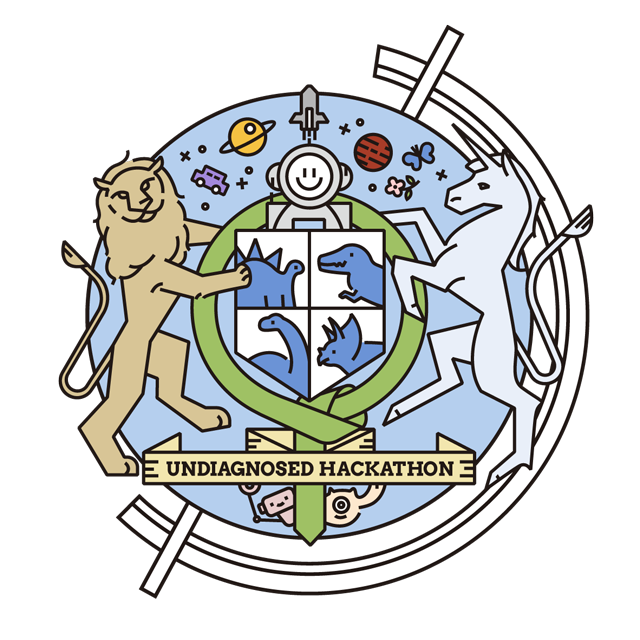
Hyderabad, India (3–5 February 2026) – advancing access and capacity in low- and middle-income settings through international collaboration.
Singapore (17–20 September 2026) – strengthening precision diagnostics and translational impact in Asia.
Together, these two 2026 Hackathons continue our mission: faster answers, equitable access, and hope for families still searching.
The fourth Undiagnosed Hackathon in Hyderabad, India
In February 2026, Wilhelm Foundation organized the fourth Undiagnosed Hackathon in collaboration with BRIC-CDFD in Hyderabad, India, together with Sir Ganga Ram Hospital and AVPN. More than 100 experts from 10 countries worked side by side on 25 of the most complex undiagnosed cases — and a potential diagnosis was identified for eight People Living With Undiagnosed Diseases. As the Undiagnosed Hackathon is a research protocol, every potential diagnosis must be validated by the responsible clinician before it can be used clinically. The Hackathon also strengthened local diagnostic capacity, with Indian clinicians training in long-read sequencing during the event.
The third Undiagnosed Hackathon in collaboration with Mayo Clinic
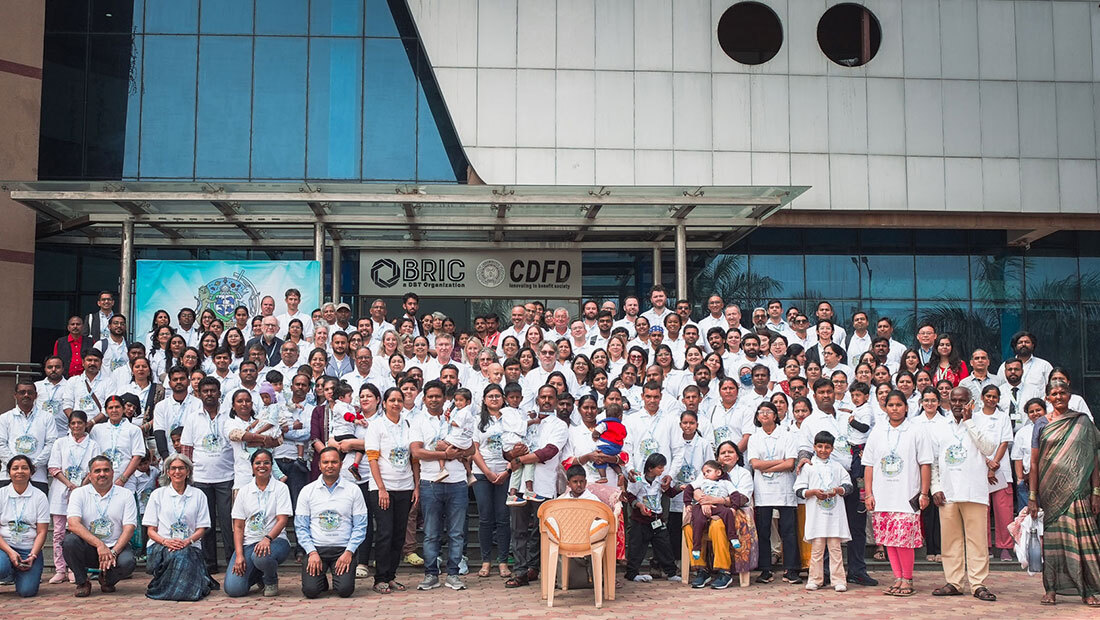
During the Undiagnosed Hackathon at Mayo Clinic, the bell rang six times in just 48 hours - each ring marking a long-awaited moment for the individual with an undiagnosed disease and the family, who had searched for answers for years. Every time the bell sounded, it signalled that a potential diagnosis had been identified. Through intense, multidisciplinary collaboration, teams combined clinical insight, advanced genomics, multi-omics, data analysis, and lived experience to identify potential diagnoses.
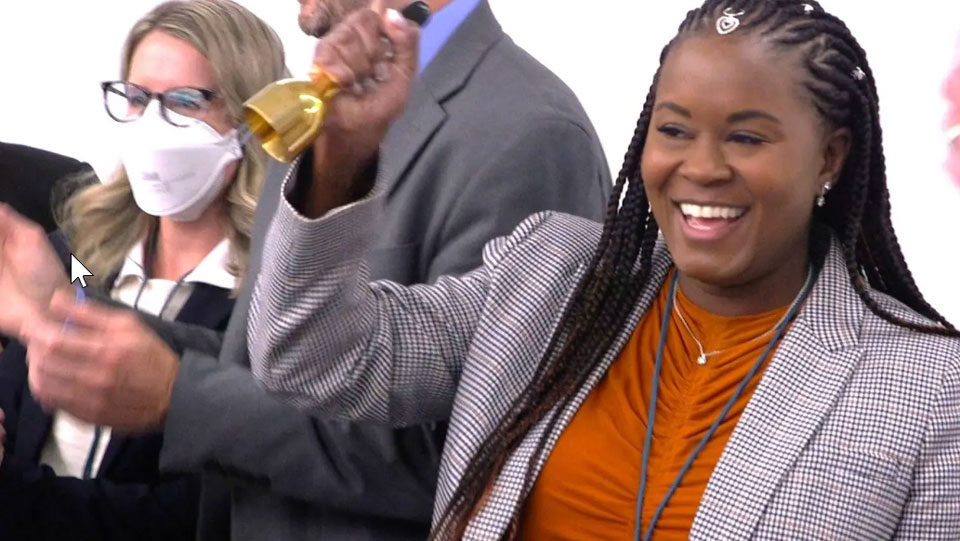
Beyond these six potential diagnoses identified within the 48-hour window, nine individuals moved forward with clear follow-up strategies, including targeted testing, functional validation, data re-analysis, and coordinated clinical care plans - ensuring continued progress after the event.
The impact continued: three months after the hackathon, a potential diagnosis was identified for one additional individual as a direct result of post-hackathon work. As the Undiagnosed Hackathon is a research protocol, every potential diagnosis must be validated by the responsible clinician before it can be used clinically.
The third Undiagnosed Hackathon, Wilhelm Foundation organized in collaboration with Mayo Clinic, Rochester Minnesota USA.
The Undiagnosed Hackathon brought together global expertise to address some of the world’s most complex undiagnosed diseases. 130 collaborators from 28 countries worked side by side for an intensive 48 hours in an attempt to diagnose the 29 families/People Living With Undiagnosed Diseases (PLWUD) from 15 countries.
A key innovation at this hackathon was that families/PLWUD could nominate themselves or their child to take part - expanding access beyond clinician - only nominations and strengthening the individual-centred approach at the heart of the model. To participate, individuals must have undergone whole genome sequencing or whole exome sequencing and still remain undiagnosed, ensuring that cases brought to the hackathon represent the most complex diagnostic challenges.
The ringing bell has become a powerful symbol of the Undiagnosed Hackathon. At Mayo Clinic, it rang not in celebration of speed, but of collaboration, persistence, and shared commitment to People Living With Undiagnosed Diseases (PLWUD).
Wilhelm Foundation demonstrated that when international partnership, shared data, and collective problem-solving align around individuals with undiagnosed diseases answers and hope can be found.
Click on the picture and the film about Undiagnosed Hackathon 2025 will start or click here
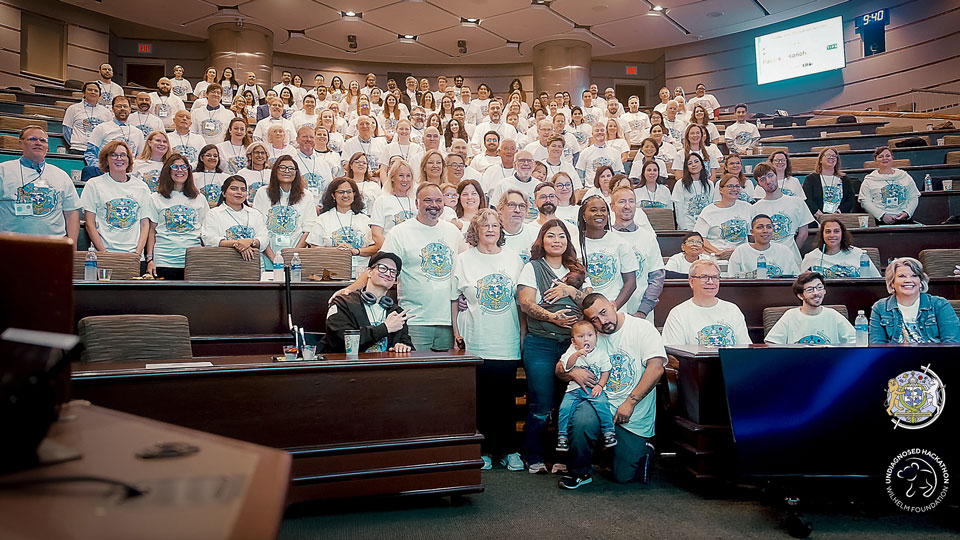
The second Undiagnosed Hackathon 2024
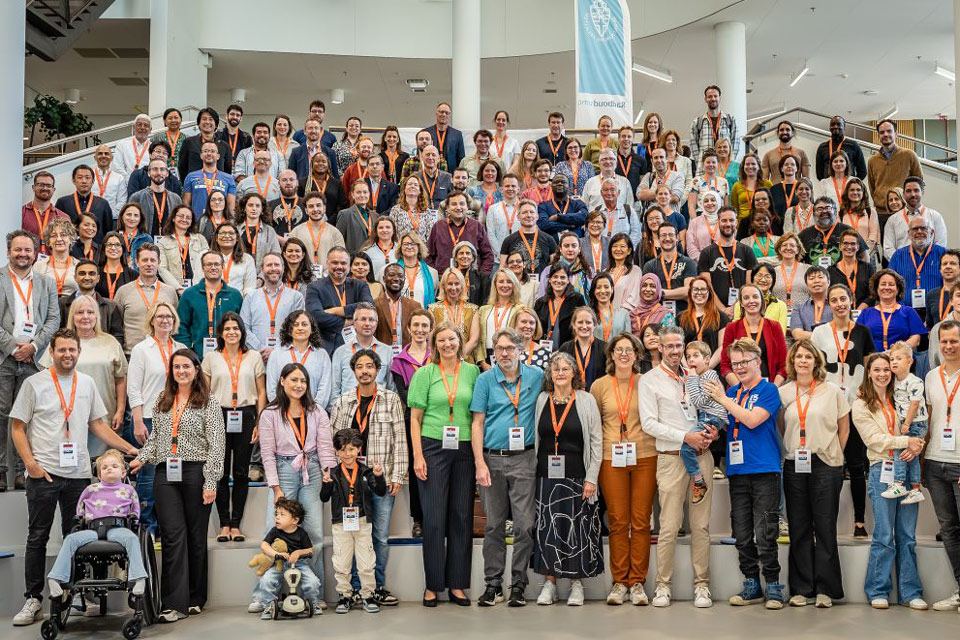
Wilhelm Foundation and the Radboud University Medical Center organized the Second global Undiagnosed Hackathon June 6-8, 2024 at the Radboud umc in Nijmegen, The Netherlands.
Click on the picture and the film about Undiagnosed Hackathon 2024 will start or click here
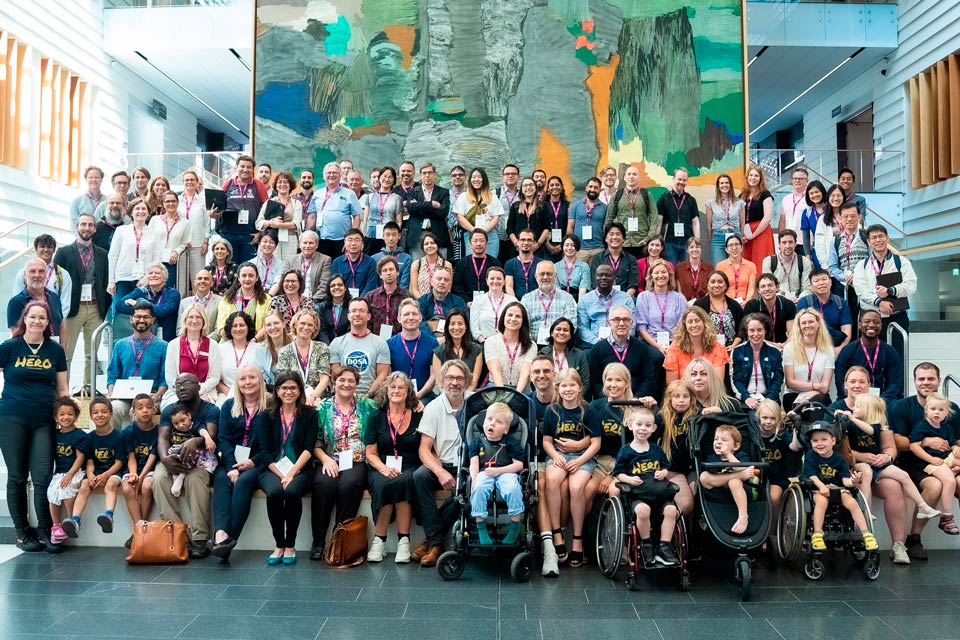
The first Undiagnosed Hackathon 2023
Wilhelm Foundation together with Prof. Ann Nordgren, Karolinska-UDP, Karolinska Hospital/Institute and CEO Orion Buske, PhenoTips, Canada arranged the world's first Undiagnosed Hackathon 2023. The Undiagnosed Hackathon took place at Karolinska Institute and Karolinska hospital, Stockholm Sweden.
Click on the picture and the film about Undiagnosed Hackathon 2023 will start or click here
Interested in partnering or sponsoring the Undiagnosed Hackathon? Please, contact info@wilhelmfoundation.org
Visit the Undiagnosed Hackathon's official Website